
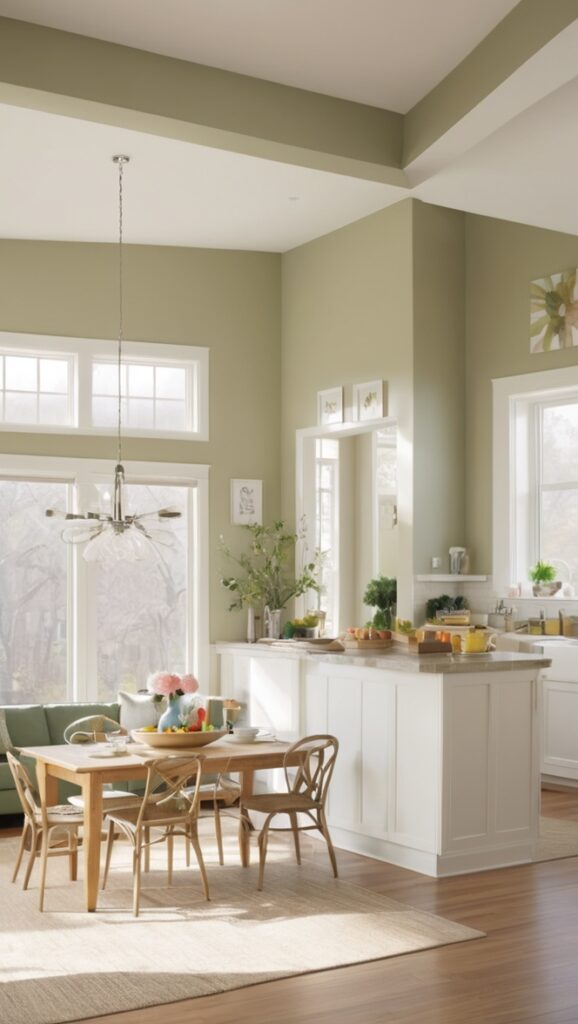
Explore the practicality of combining living room and kitchen into a modern open concept design.
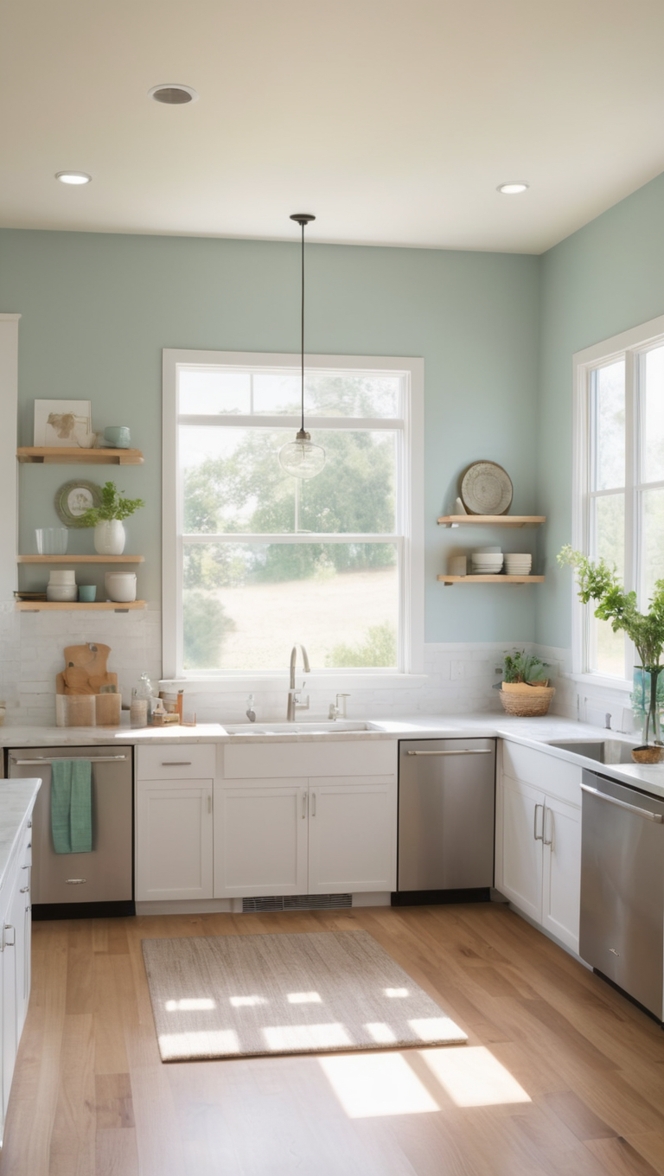
Disclosure: This post contains affiliate links. We may earn a commission at no extra cost to you.
My Lovely Spring Paint for 2025
Ready for a Spring Makeover? Explore the Freshest 2025 Paint Trends!
White Sage/Green SW - Shop Now Pistachio green - Shop Now Soft blue - Shop Now Honeysweet/Orange - Shop Now Pink Sugar - Shop Now Sage Tint BM - Shop NowAs an Amazon Associate, I may earn a commission from qualifying purchases at no extra cost to you.
Is it practical to have an open concept kitchen living room design?
**Kitchen Living Room Open Concept**
Having an open concept kitchen living room design can be practical and beneficial in many ways. It promotes a sense of spaciousness, enhances natural light, and fosters interaction among family members or guests. To make it work effectively, consider proper zoning of the space, choose cohesive decor elements, install adequate lighting, and maintain organization to avoid clutter. With proper planning and consideration, an open concept design can create a seamless flow between the kitchen and living room areas.
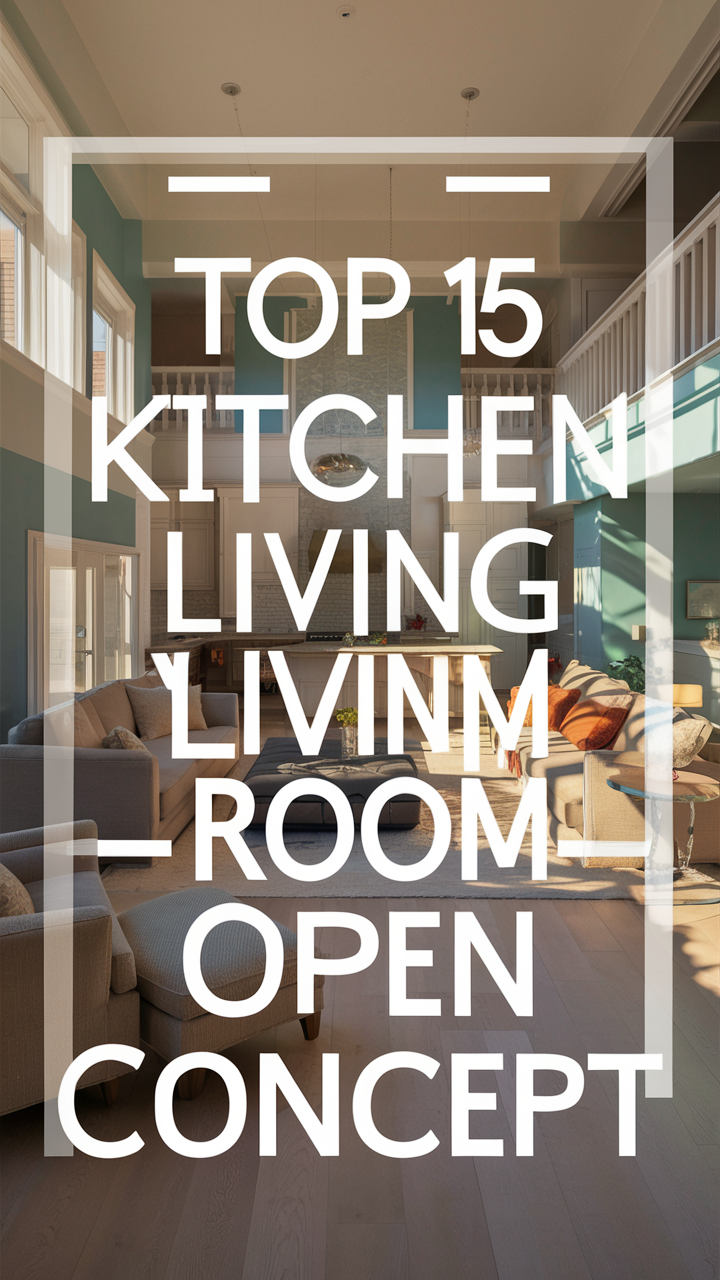
Is it practical to have an open concept kitchen living room design?
1. Does an open concept layout increase social interaction?
As a homeowner who has experienced living in an open concept kitchen living room design, I can attest to the fact that it does indeed increase social interaction. The seamless flow between the kitchen and living room allows for easy communication and engagement with family and guests. Whether you are cooking in the kitchen or relaxing in the living room, the open layout encourages conversations and bonding moments.
2. Are there any privacy concerns with an open concept kitchen living room design?
While the open concept design fosters social interaction, it may raise privacy concerns for some homeowners. The lack of physical barriers between the kitchen and living room can make it challenging to find moments of solitude or quiet time. However, creative solutions such as sliding doors or room dividers can be implemented to address privacy needs while still maintaining the open feel of the space.
3. Does an open concept design make the space feel larger?
One of the key advantages of an open concept kitchen living room design is that it creates a sense of spaciousness. By removing walls and barriers, the space feels more expansive and airy. This can be particularly beneficial for smaller homes or apartments where every square foot counts. The open layout allows for better flow of natural light and enhances the overall ambiance of the space.
4. What are the challenges of maintaining cleanliness in an open concept kitchen living room?
Maintaining cleanliness in an open concept kitchen living room can be a challenge, especially if cooking smells and spills easily travel between the two areas. It requires diligence in cleaning up after meals and regular upkeep of both the kitchen and living room spaces. However, the benefits of a cohesive and inviting living space often outweigh the maintenance efforts required.
5. Is noise a significant issue in open concept living spaces?
Noise can be a concern in open concept living spaces, especially if there are multiple activities happening simultaneously in the kitchen and living room. The lack of walls to absorb sound can lead to an echo effect and make it difficult to have quiet moments. Strategic placement of furniture, rugs, and sound-absorbing materials can help mitigate noise issues and create a more comfortable living environment.
6. How does natural light play a role in the practicality of an open concept design?
Natural light is a key factor that enhances the practicality of an open concept design. With fewer walls obstructing sunlight, the space feels brighter and more inviting. The seamless flow of natural light between the kitchen and living room creates a harmonious atmosphere and can positively impact mood and productivity. It also reduces the need for artificial lighting during the day, leading to energy savings.
7. Are there any safety considerations to keep in mind with an open concept kitchen living room design?
When designing an open concept kitchen living room, safety considerations should not be overlooked. The proximity of the kitchen to the living room may pose risks, especially if there are young children or pets in the household. Sharp objects, hot surfaces, and kitchen appliances should be placed strategically to minimize potential hazards. Additionally, proper ventilation and smoke detectors are essential for maintaining a safe and healthy living environment.
Overall, the practicality of an open concept kitchen living room design depends on individual preferences and lifestyle needs. While it offers numerous benefits such as increased social interaction, a sense of spaciousness, and enhanced natural light, it also comes with challenges that need to be addressed. By carefully considering privacy concerns, cleanliness maintenance, noise control, natural light optimization, and safety measures, homeowners can create a functional and stylish open concept living space that suits their needs. As a homeowner who has embraced this design, I can attest to its practicality and the unique charm it brings to a home.
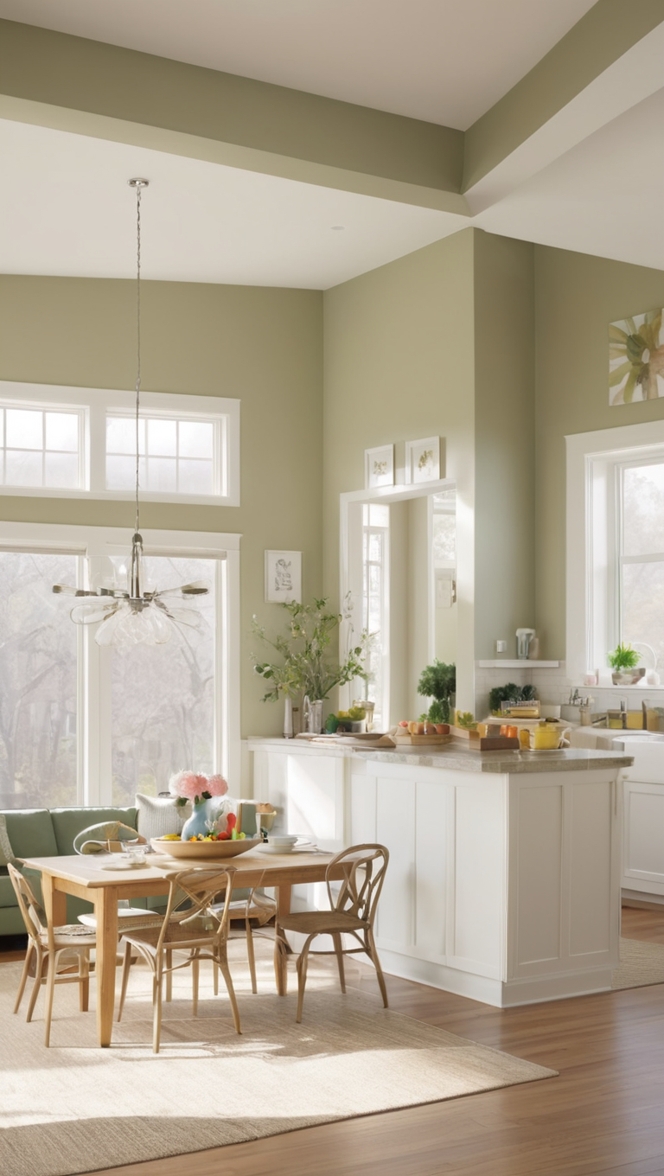
Is it practical to have an open concept kitchen living room design?
Kitchen living room open concept designs have become increasingly popular in modern homes due to their practicality and aesthetic appeal. The seamless flow between the kitchen and living room areas creates a sense of spaciousness and connectivity, making it a versatile and inviting space for daily living and entertaining. When planning an open concept layout, it is essential to consider various factors such as zoning, decor elements, lighting, and organization to ensure a cohesive and functional design.
1. Zoning and Layout Considerations:
When designing an open concept kitchen living room, it is crucial to establish clear zones for different activities while maintaining an overall sense of openness. Define the kitchen area with the use of an island or peninsula, which can serve as a visual divider without obstructing the flow of the space. Consider the placement of key elements such as the sink, stove, and fridge to create an efficient and ergonomic layout that facilitates cooking and socializing.
2. Cohesive Decor Elements:
To create a harmonious and visually appealing open concept design, choose decor elements that tie the kitchen and living room areas together. Select a cohesive color palette that flows seamlessly from one space to another, using paint colors like Sherwin Williams “Alabaster” or Benjamin Moore “Revere Pewter” for a timeless and elegant look. Coordinate furniture, textiles, and accessories to create a unified aesthetic that reflects your personal style and enhances the overall ambiance of the space.
3. Adequate Lighting:
Proper lighting is essential in an open concept kitchen living room design to create a welcoming and functional environment. Incorporate a combination of ambient, task, and accent lighting to illuminate different areas and create a layered lighting scheme. Consider pendant lights over the kitchen island, recessed lighting in the living room, and floor lamps or sconces for additional illumination. Natural light is also key in enhancing the openness of the space, so maximize windows and consider light-filtering window treatments for privacy.
4. Organization and Storage Solutions:
Maintaining organization is crucial in an open concept design to prevent clutter and maintain a clean and streamlined look. Invest in storage solutions such as built-in cabinets, shelves, and drawers to keep kitchen essentials and living room items neatly organized and easily accessible. Consider multifunctional furniture pieces that offer storage options, such as ottomans with hidden compartments or coffee tables with built-in shelving. Declutter regularly and prioritize functionality to ensure a well-maintained and inviting space.
In conclusion, an open concept kitchen living room design can be practical and functional with careful planning and consideration of key factors such as zoning, decor elements, lighting, and organization. By creating a cohesive and well-designed space, you can enjoy the benefits of seamless flow, natural light, and enhanced interaction in your home. Embrace the versatility and beauty of an open concept layout to create a welcoming and stylish environment that suits your lifestyle and preferences.
