
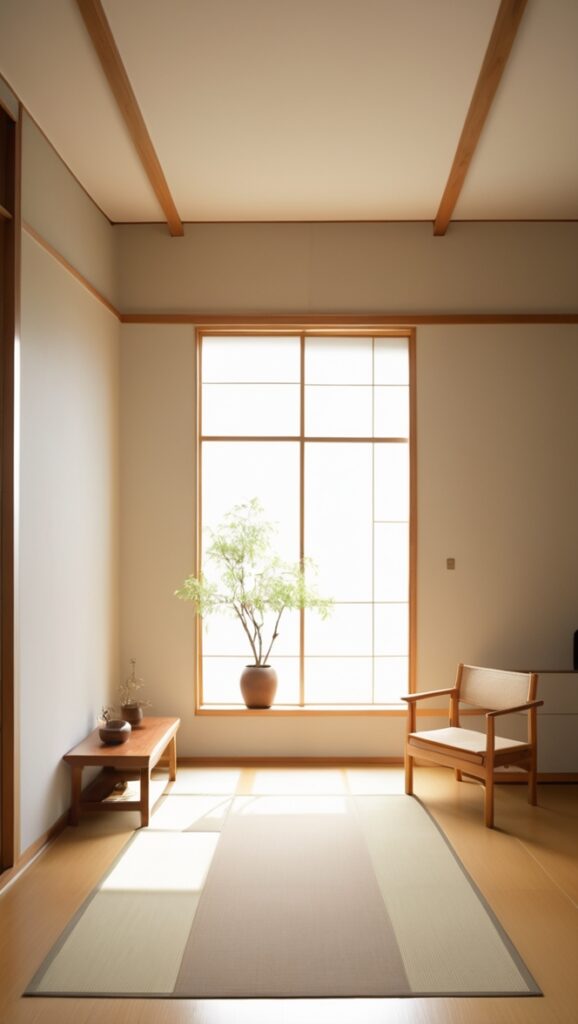
Looking to infuse your space with modern Japanese home style? Discover the secrets to Japanese minimalist living room design.
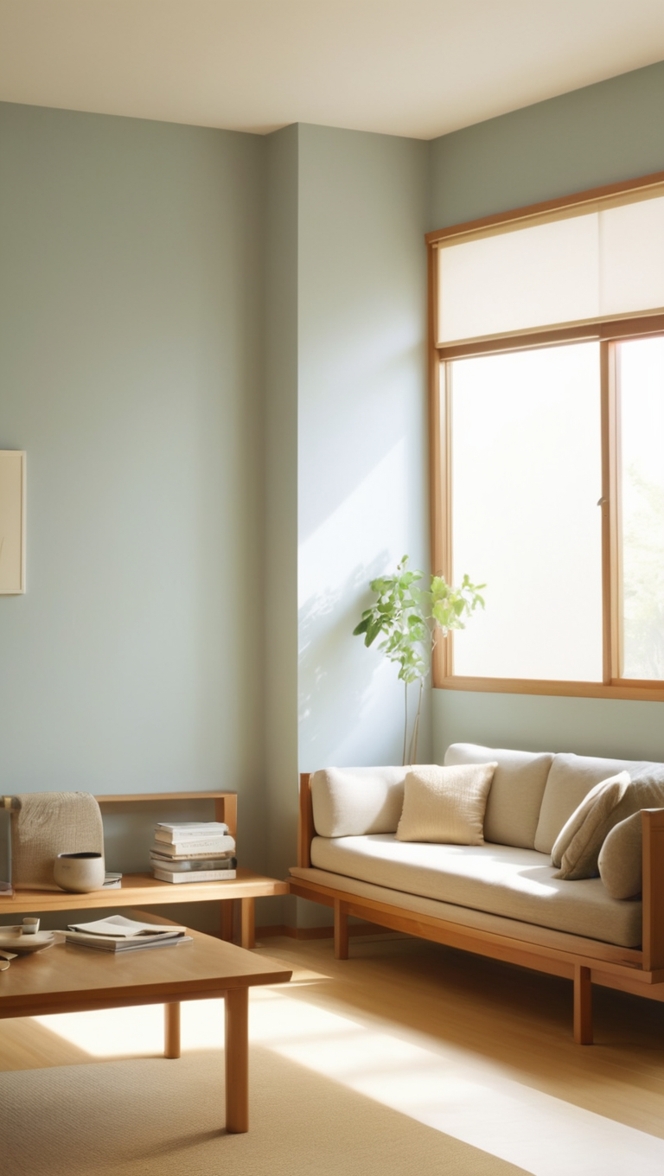
Disclosure: This post contains affiliate links. We may earn a commission at no extra cost to you.
My Lovely Spring Paint for 2025
Ready for a Spring Makeover? Explore the Freshest 2025 Paint Trends!
White Sage/Green SW - Shop Now Pistachio green - Shop Now Soft blue - Shop Now Honeysweet/Orange - Shop Now Pink Sugar - Shop Now Sage Tint BM - Shop NowAs an Amazon Associate, I may earn a commission from qualifying purchases at no extra cost to you.
**How can I create a Japanese minimalist living room?**
**Japanese Minimalist Living Room**
To create a Japanese minimalist living room, focus on simplicity and functionality. Keep furniture and decor to a minimum, opting for clean lines and natural materials like wood and bamboo. Use neutral colors with pops of green from plants for a serene atmosphere. Incorporate sliding doors, tatami mats, and shoji screens. Declutter regularly to maintain the minimalist look. Embrace the concept of wabi-sabi, finding beauty in imperfection. Research Japanese design principles for inspiration.
How can I create a Japanese minimalist living room?
1. What are the key elements of a Japanese minimalist living room design?
As a homeowner looking to create a Japanese minimalist living room, it’s important to focus on simplicity, functionality, and natural elements. Key elements include low furniture, clean lines, minimal decoration, and a clutter-free space. Consider incorporating tatami mats, shoji screens, and natural wood elements to achieve an authentic Japanese aesthetic.
2. How can I incorporate natural materials into my Japanese minimalist living room?
Opt for natural materials such as wood, bamboo, rice paper, and stone in your furniture, flooring, and decor. Choose simple and organic shapes to create a sense of harmony and tranquility in your living space. Incorporate indoor plants and natural textures like cotton, linen, and wool to add warmth and depth to the room.
3. What color palette should I use for a Japanese minimalist living room?
Stick to a neutral color palette with earthy tones like beige, off-white, grey, and muted greens. These colors create a calming and serene atmosphere that is characteristic of Japanese minimalist design. Add pops of color sparingly through accent pieces or artwork to maintain a sense of balance and harmony in the room.
4. How can I declutter and organize my space in a Japanese minimalist style?
Start by decluttering your space and getting rid of unnecessary items. Invest in storage solutions like built-in cabinets, shelves, and hidden storage to keep your belongings out of sight. Embrace the principle of “less is more” and only display items that are functional or bring you joy.
5. What furniture pieces are essential for a Japanese minimalist living room?
Choose furniture that is low to the ground, with clean lines and a simple design. Opt for pieces made of natural materials like wood or bamboo. Essential furniture pieces include a low coffee table, floor cushions, a traditional Japanese futon or platform bed, and sliding doors or screens to divide the space.
6. How can I add a touch of Japanese aesthetics to my minimalist living room?
Incorporate traditional Japanese elements like bonsai trees, paper lanterns, and calligraphy artwork to add a cultural touch to your living room. Use minimal and purposeful decoration, such as a single floral arrangement or a small piece of pottery, to enhance the overall aesthetic without overwhelming the space.
7. What lighting options work best in a Japanese minimalist living room?
Opt for soft and diffused lighting to create a warm and inviting atmosphere in your living room. Consider using paper lanterns, pendant lights, or floor lamps with soft shades to provide ambient lighting. Natural light is also important in Japanese design, so maximize windows and use light curtains or shoji screens to let in as much natural light as possible.
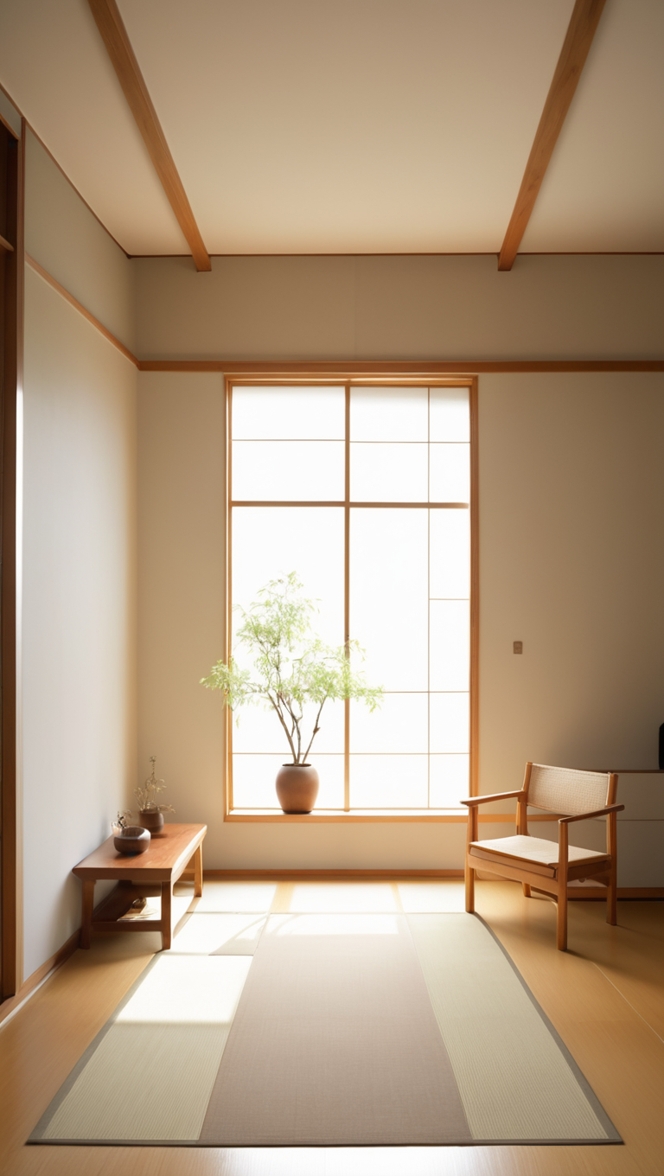
How to Create a Japanese Minimalist Living Room: 12 Unique Ideas
When it comes to designing a Japanese minimalist living room, the key is to focus on simplicity, functionality, and natural elements. To help you achieve the serene and clutter-free look of a traditional Japanese space, here are 12 unique ideas to consider:
1. **Neutral Color Palette**: Stick to a neutral color palette of whites, beiges, and light grays to create a calming atmosphere in your living room. Consider using paint colors like “Swiss Coffee” or “Revere Pewter” for the walls.
2. **Wooden Furniture**: Opt for simple wooden furniture with clean lines and a natural finish. Choose pieces made from oak, walnut, or bamboo to add warmth and texture to the room.
3. **Tatami Mats**: Incorporate traditional tatami mats into your living room design for an authentic Japanese touch. These straw mats not only add a rustic charm but also provide a comfortable and cushioned seating area.
4. **Sliding Doors**: Replace traditional hinged doors with sliding doors to save space and create a seamless flow between rooms. Consider using shoji screens for a traditional Japanese look.
5. **Minimalist Decor**: Keep decor to a minimum and choose items that serve a purpose. Opt for simple vases, bonsai trees, or ikebana flower arrangements to add a touch of nature to the room.
6. **Natural Light**: Maximize natural light in your living room by keeping windows unobstructed and using sheer curtains to filter sunlight. Natural light is essential in creating a bright and airy space.
7. **Futon or Low Seating**: Embrace the Japanese tradition of low seating by incorporating a futon or floor cushions into your living room design. This not only adds a casual and relaxed vibe but also saves space.
8. **Zen Garden**: Create a small indoor zen garden with pebbles, rocks, and miniature plants to bring a sense of tranquility and harmony to your living room. This can serve as a focal point and a place for meditation.
9. **Paper Lanterns**: Add soft and ambient lighting to your living room with paper lanterns or pendant lights. These traditional Japanese lighting fixtures create a warm and inviting atmosphere.
10. **Bamboo Accents**: Incorporate bamboo accents like blinds, screens, or furniture into your living room design. Bamboo adds a sense of nature and sustainability to the space.
11. **Wabi-Sabi Elements**: Embrace the Japanese philosophy of wabi-sabi, which finds beauty in imperfection and impermanence. Incorporate handmade ceramics, weathered wood, or vintage textiles to add character to your living room.
12. **Declutter Regularly**: Maintain the minimalist look of your Japanese living room by decluttering regularly. Keep surfaces clear of unnecessary items and only display objects that bring you joy and serve a purpose.
By following these 12 unique ideas, you can create a Japanese minimalist living room that exudes simplicity, tranquility, and elegance. Incorporate elements of Japanese design principles and embrace the beauty of imperfection to achieve a truly authentic and serene space.
