
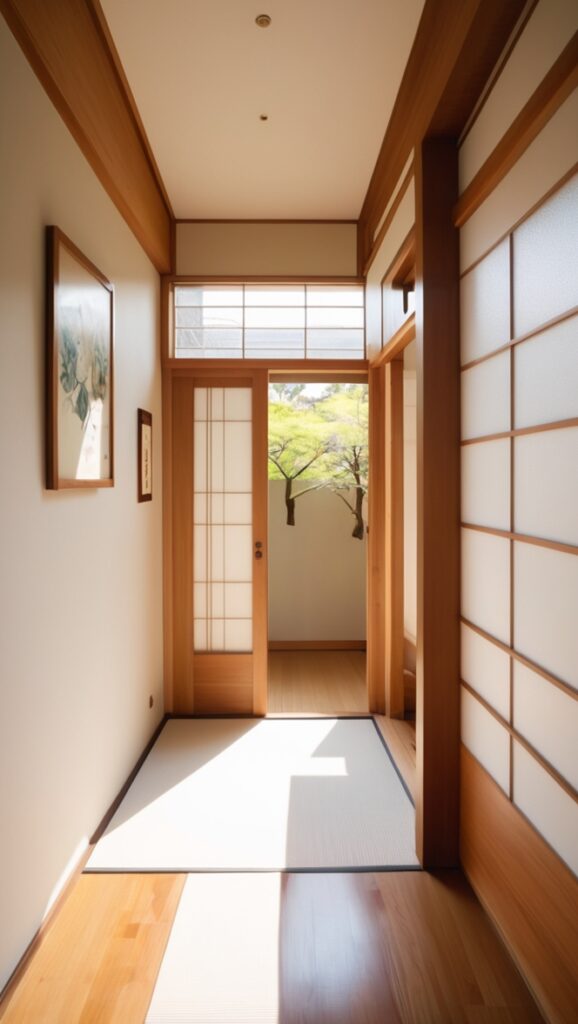
In Japanese home architecture, what sets apart the design of Japanese entrance gates, blending modern and traditional elements?
Disclosure: This post contains affiliate links. We may earn a commission at no extra cost to you.
What makes a Japanese home entrance unique?
Japanese Home Entrance
My Lovely Spring Paint for 2025
Ready for a Spring Makeover? Explore the Freshest 2025 Paint Trends!
White Sage/Green SW - Shop Now Pistachio green - Shop Now Soft blue - Shop Now Honeysweet/Orange - Shop Now Pink Sugar - Shop Now Sage Tint BM - Shop NowAs an Amazon Associate, I may earn a commission from qualifying purchases at no extra cost to you.
A Japanese home entrance typically features a genkan, a sunken floor where shoes are removed before entering the main living area. This helps keep the home clean and creates a sense of separation from the outside world. To create a Japanese-style entrance, consider adding sliding doors, a small wooden bench, and natural elements like bamboo or stone. Keeping the entrance clutter-free and organized is essential to maintaining the peaceful atmosphere.
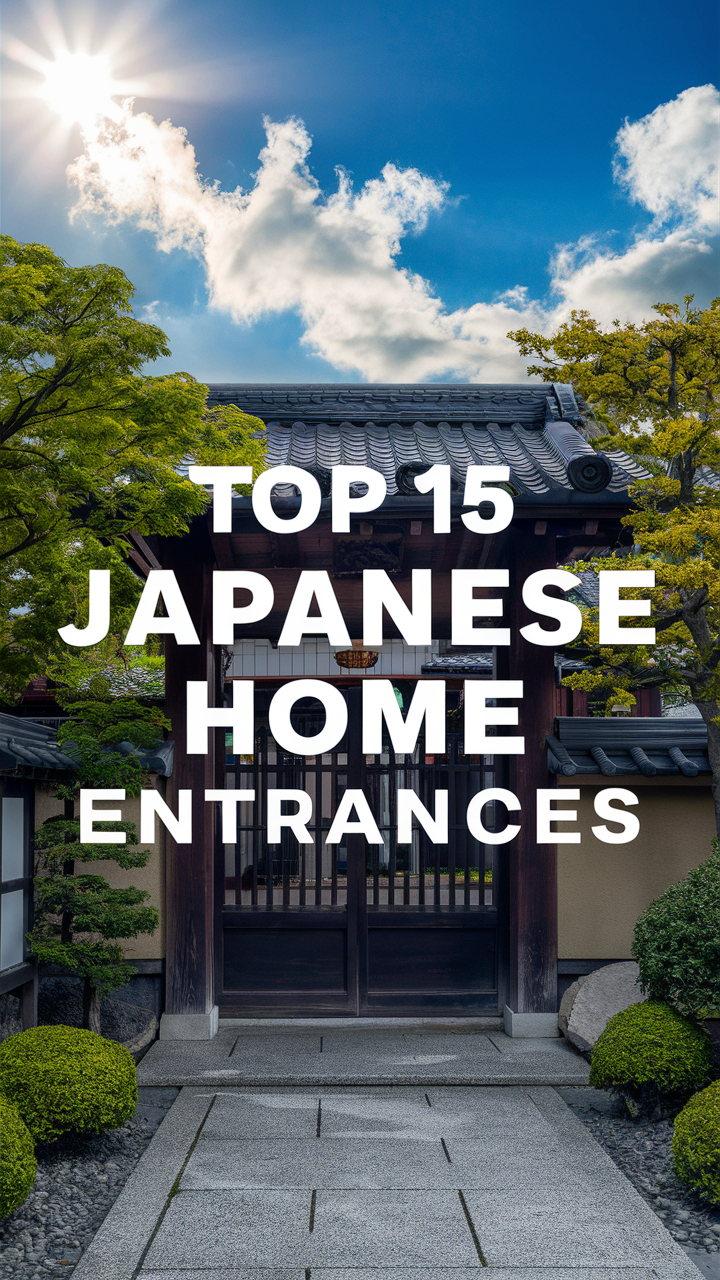
What makes a Japanese home entrance unique?
As a homeowner who has lived in both Western and Japanese-style homes, I have come to appreciate the unique characteristics of a Japanese home entrance. In this article, I will explore the differences between Japanese and Western home entrances and delve into the cultural significance behind the design elements of a Japanese entryway.
1. How do Japanese home entrances differ from Western ones?
Japanese home entrances, known as genkan, are typically located at a lower level than the rest of the house. This design feature serves a practical purpose as it allows residents to remove their shoes before entering the main living area. In contrast, Western homes often have entryways at the same level as the rest of the house, with little emphasis on shoe removal.
2. What role does the genkan play in a Japanese home entrance?
The genkan serves as a transitional space between the outside world and the inner sanctum of the home. It is a place where one can pause, remove their shoes, and symbolically leave the outside world behind. This ritual of shoe removal signifies respect for the home and promotes cleanliness within the living space.
3. Why are Japanese home entrances typically lower than the rest of the house?
The lower level of a Japanese home entrance is not only practical for shoe removal but also reflects the cultural belief in hierarchy and respect. By stepping down into the genkan, visitors and residents physically lower themselves, showing humility and deference to the home and its occupants.
4. What significance do the different types of sliding doors hold in a Japanese home entrance?
Japanese home entrances often feature sliding doors, known as fusuma and shoji, which can be opened or closed to create flexible living spaces. These doors not only provide privacy and division of rooms but also serve as a canvas for traditional Japanese artwork and design. The choice of materials and patterns in these doors can reflect the homeowner’s taste and cultural heritage.
5. How do Japanese home entrances promote cleanliness and respect for the home?
The emphasis on shoe removal in the genkan promotes cleanliness by preventing dirt and grime from being tracked into the living areas. This practice also symbolizes respect for the home and its inhabitants, as shoes worn outside are considered dirty and should not be brought into the sacred space of the home.
6. What cultural elements are reflected in the design of a Japanese home entrance?
The design of a Japanese home entrance often incorporates elements of nature, such as wood, stone, and plants. These natural materials create a sense of harmony with the surrounding environment and bring a sense of tranquility to the entryway. Additionally, traditional Japanese motifs and symbols may be used in the decor to evoke a sense of cultural pride and connection.
7. How does the concept of “uchi-soto” influence the design and use of a Japanese home entrance?
The concept of “uchi-soto,” which refers to the distinction between insiders (uchi) and outsiders (soto) in Japanese society, influences the design and use of a Japanese home entrance. The genkan serves as a boundary between the public world (soto) and the private realm (uchi), reinforcing social hierarchies and relationships. Visitors are expected to observe certain etiquettes when entering a Japanese home, such as removing their shoes and greeting the hosts with respect.
Overall, the unique design elements and cultural significance of a Japanese home entrance make it a fascinating and integral part of Japanese residential architecture. As a homeowner who has embraced the Japanese way of living, I have come to appreciate the thoughtful design and symbolism behind the genkan and its role in promoting cleanliness, respect, and cultural identity within the home.
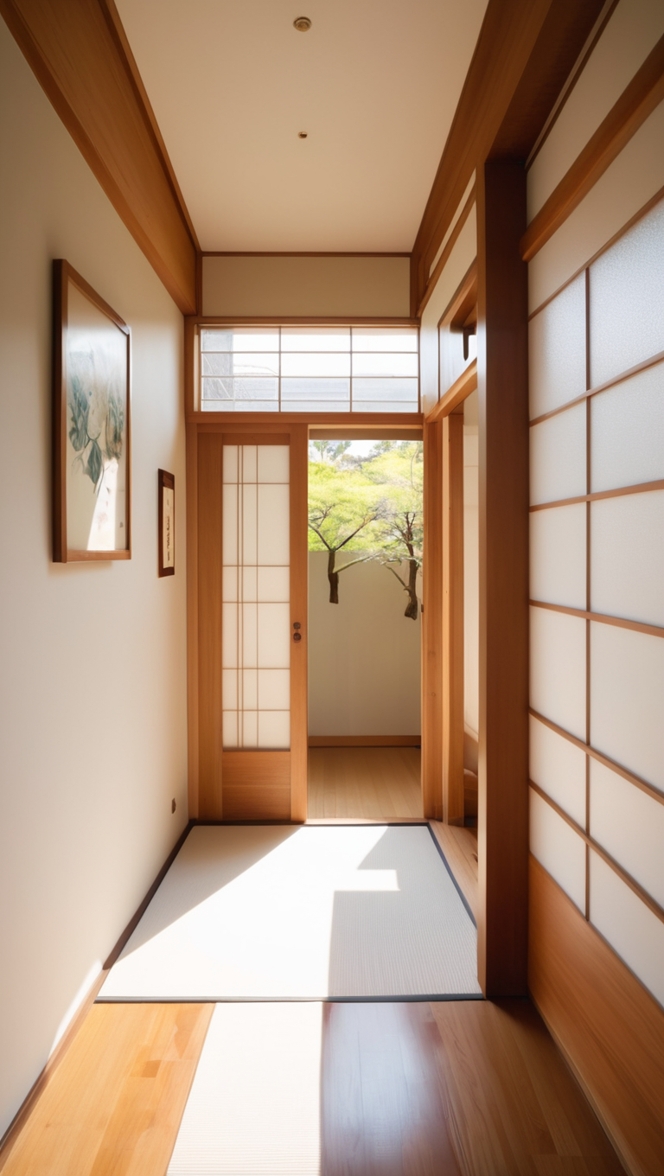
1. Use Earthy Tones
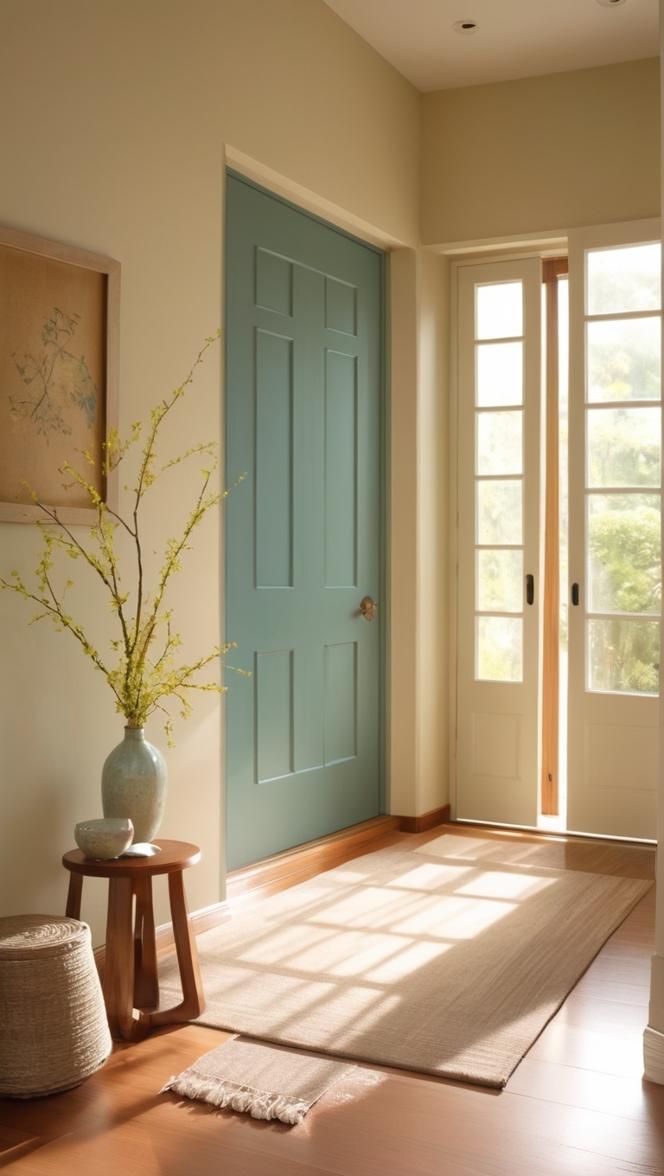
When designing a Japanese home entrance, consider using earthy tones like beige, taupe, or olive green for the walls and flooring. These colors create a calming and natural atmosphere that is characteristic of Japanese design.
2. Incorporate Natural Materials
Bring nature indoors by incorporating natural materials like wood, bamboo, and stone in your entrance design. A wooden bench or shoe rack, bamboo blinds, or a stone pathway can add a touch of authenticity to your Japanese home entrance.
3. Create a Zen Garden
If you have space outside your entrance, consider creating a small Zen garden with gravel, rocks, and minimalist plants. This peaceful garden can be viewed from inside the entrance, adding a tranquil element to your home.
4. Install Shoji Screens
Shoji screens are traditional Japanese sliding doors made of translucent paper and wooden frames. Installing Shoji screens in your entrance can add a touch of elegance and privacy while allowing natural light to filter through.
5. Add Tatami Mats
Tatami mats are traditional Japanese flooring mats made of woven straw. Adding Tatami mats to your entrance can create a soft and comfortable surface for removing shoes and welcoming guests.
6. Incorporate Minimalist Decor
Keep your entrance clutter-free by incorporating minimalist decor like a simple vase with fresh flowers, a small bonsai tree, or a piece of Japanese artwork. Less is more in Japanese design.
7. Use Paper Lanterns
Illuminate your entrance with soft lighting by hanging paper lanterns or pendant lights. These gentle sources of light create a warm and inviting ambiance that is perfect for a Japanese home entrance.
8. Display Ikebana Arrangements
Ikebana is the Japanese art of flower arranging, focusing on simplicity and balance. Displaying an Ikebana arrangement in your entrance can bring a touch of elegance and nature into your home.
9. Install a Water Feature
Consider installing a small water feature like a bamboo fountain or a stone basin with a bamboo ladle in your entrance. The sound of running water can create a calming and serene atmosphere.
10. Use Traditional Paint Colors
Choose traditional Japanese paint colors like Sakura Pink, Matcha Green, or Indigo Blue for your entrance walls. These colors are inspired by nature and can enhance the Japanese aesthetic of your home.
11. Hang a Noren Curtain
Noren curtains are traditional Japanese fabric dividers hung in doorways to signify the entrance of a shop or home. Hanging a Noren curtain in your entrance can add a touch of authenticity and charm.
12. Embrace Wabi-Sabi
Wabi-Sabi is the Japanese philosophy of finding beauty in imperfection and impermanence. Embrace Wabi-Sabi in your entrance by incorporating handmade pottery, weathered wood, or vintage decor for a unique and authentic look.