
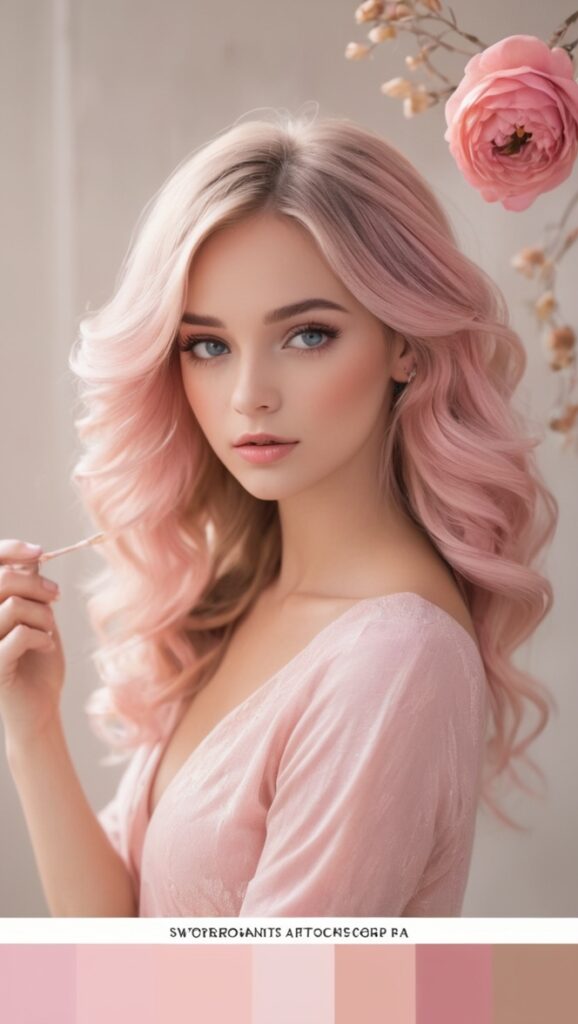
Discover the charm of pink color palette – its popularity, combinations, and inspirations. Explore the pink color chart today!
Disclosure: This post contains affiliate links. We may earn a commission at no extra cost to you.
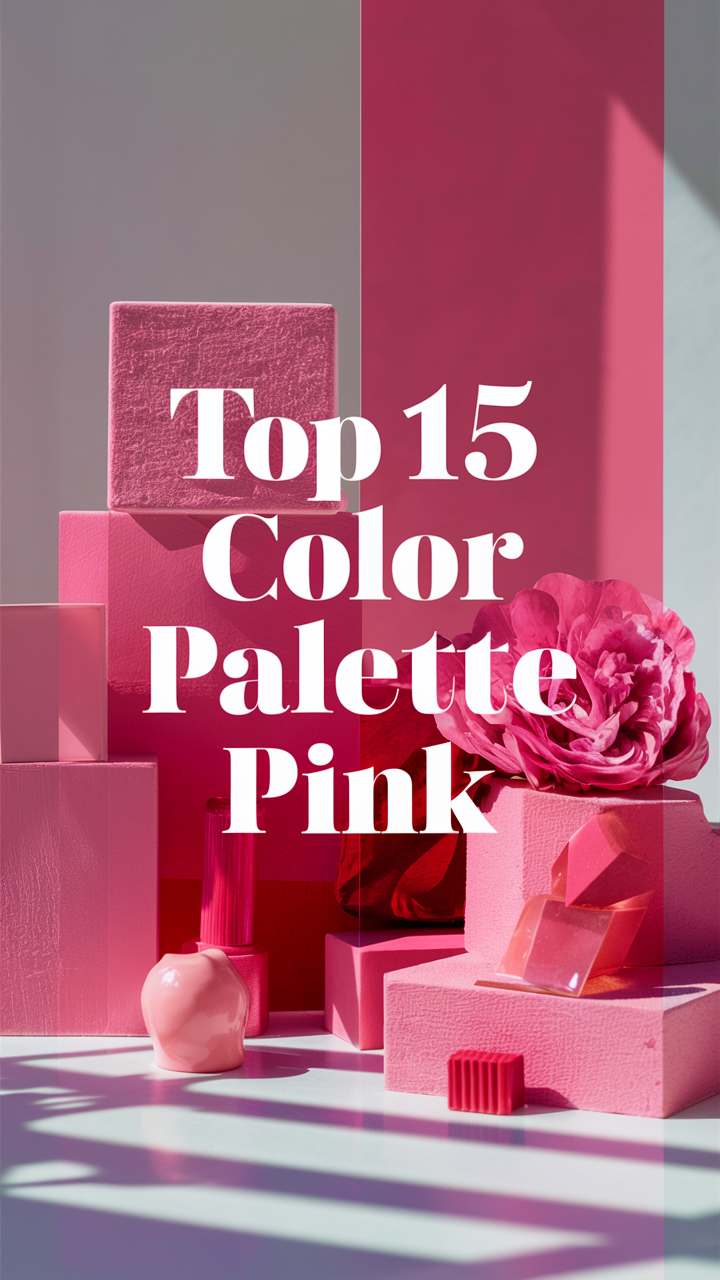
What makes the color palette pink so popular?
My Lovely Spring Paint for 2025
Ready for a Spring Makeover? Explore the Freshest 2025 Paint Trends!
White Sage/Green SW - Shop Now Pistachio green - Shop Now Soft blue - Shop Now Honeysweet/Orange - Shop Now Pink Sugar - Shop Now Sage Tint BM - Shop NowAs an Amazon Associate, I may earn a commission from qualifying purchases at no extra cost to you.
Color palette pink is popular because it brings a sense of warmth, femininity, and playfulness to a space. It can create a calming atmosphere and add a touch of elegance when used correctly. When incorporating pink into your home decor, consider mixing it with neutral tones like white, beige, or grey to balance out the look. You can also use pink as an accent color through pillows, rugs, or artwork to avoid overwhelming the space. A well-balanced pink color palette can enhance the overall aesthetic of your home.
What makes the color palette pink so popular??
Pink is a color that has long been associated with femininity, tenderness, and love. It is often considered a gender-specific color, with many people immediately associating it with girls or women. However, the popularity of pink goes beyond just its gender connotations. Let’s delve into the various aspects that make the color palette pink so popular.
1. Why is pink considered a gender-specific color?
Historically, pink has been associated with femininity due to societal norms and cultural influences. From baby girls being dressed in pink to the perception of pink as a soft and delicate color, these factors have reinforced the idea that pink is a color for females. While this gender-specific association is not universal across all cultures, it has played a significant role in shaping the perception of pink.
2. How has the perception of pink evolved over time?
Over the years, the perception of pink has undergone a transformation. What was once considered a color strictly for girls has now become more gender-inclusive. The rise of gender-neutral trends and the breaking down of traditional stereotypes have led to a more diverse and inclusive understanding of the color pink.
3. What cultural influences have contributed to the popularity of pink?
Cultural influences, such as media, art, and fashion, have played a significant role in popularizing the color pink. From iconic pink outfits worn by celebrities to the use of pink in advertising campaigns, these influences have helped make pink a trendy and sought-after color palette.
4. Is pink associated with certain emotions or traits?
Pink is often associated with emotions such as love, compassion, and tenderness. It is also linked to traits like nurturing, sensitivity, and warmth. These emotional and personality associations contribute to the appeal of pink as a color that evokes positive feelings and qualities.
5. How does the fashion industry impact the popularity of pink?
The fashion industry plays a crucial role in shaping trends and influencing consumer preferences. Pink has been a recurring color in fashion, with designers incorporating it into their collections season after season. The visibility of pink in the fashion world contributes to its popularity and makes it a staple color in many wardrobes.
6. Are there any psychological reasons behind the appeal of pink?
Psychologically, pink is often associated with feelings of comfort, calmness, and happiness. Its soft and soothing tones have a calming effect on the mind and can create a sense of tranquility. This psychological appeal of pink contributes to its popularity as a color choice in various settings.
7. What role does marketing play in promoting pink as a trendy color palette?
Marketing strategies often leverage the emotional and cultural associations of pink to position it as a trendy and desirable color palette. Brands use pink in their packaging, advertising, and product design to appeal to consumers’ emotions and create a sense of connection. The strategic use of pink in marketing campaigns contributes to its ongoing popularity and relevance in the market.
These various factors, from cultural influences to psychological associations, contribute to the enduring popularity of the color palette pink. Its versatility, emotional appeal, and cultural significance make pink a color that resonates with people across different backgrounds and preferences.
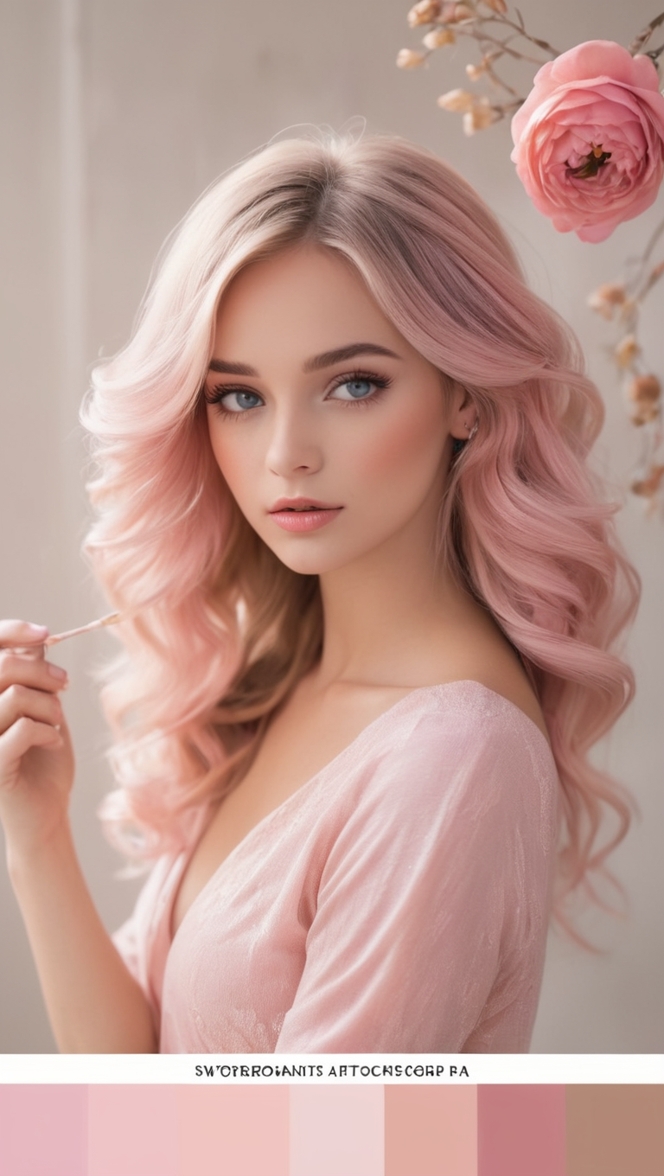
Exploring the Allure of Pink: 12 Unique Color Palette Ideas
Pink, a color often associated with femininity and playfulness, has captured the hearts of many when it comes to home decor. When considering a color palette that includes pink, it’s essential to choose the right shades and pair them with complementary colors to create a harmonious and stylish look. Let’s delve into 12 unique color palette ideas that showcase the versatility and appeal of pink in interior design.
1. Blush and Grey Harmony
Create a sophisticated and modern look by pairing blush pink with shades of grey. This color combination exudes elegance and tranquility, perfect for bedrooms or living rooms.
2. Soft Pink and Mint Green Refresh
Add a touch of freshness to your space by combining soft pink with mint green. This color palette evokes a sense of serenity and nature, ideal for a relaxing and rejuvenating ambiance.
3. Dusty Rose and Navy Contrast
For a bold and sophisticated look, pair dusty rose pink with deep navy blue. This color combination creates a striking contrast that adds depth and drama to any room.
4. Coral and Teal Vibrance
Infuse your space with energy and vibrance by combining coral pink with teal. This lively color palette brings a sense of joy and excitement, perfect for a cheerful and lively atmosphere.
5. Rose Gold and Cream Elegance
Achieve a luxurious and elegant look by pairing rose gold pink with creamy hues. This sophisticated color palette exudes a sense of opulence and refinement, ideal for a glamorous and chic setting.
6. Mauve and Charcoal Sophistication
Create a sense of understated elegance and sophistication by combining mauve pink with charcoal grey. This refined color palette adds a touch of luxury and modernity to any space.
7. Salmon and Turquoise Coastal Vibe
Bring a coastal and relaxed atmosphere to your home by pairing salmon pink with turquoise. This color combination evokes the tranquility of the sea and the freshness of beachside living.
8. Cherry Blossom and Ivory Serenity
Create a serene and calming ambiance by combining cherry blossom pink with ivory tones. This peaceful color palette brings a sense of tranquility and harmony to your space.
9. Strawberry and Lemonade Playfulness
Infuse your space with a playful and cheerful vibe by pairing strawberry pink with lemonade yellow. This vibrant color combination radiates energy and positivity, perfect for a fun and lively setting.
10. Peony and Lavender Dreamy Escape
Create a dreamy and whimsical atmosphere by combining peony pink with lavender hues. This enchanting color palette transports you to a magical world of beauty and fantasy, ideal for a relaxing and imaginative space.
11. Ballet Slipper and Silver Glamour
Achieve a touch of glamour and sophistication by pairing ballet slipper pink with silver accents. This chic color palette exudes a sense of luxury and style, perfect for creating a glamorous and refined ambiance.
12. Bubblegum and Pistachio Fun Fusion
Add a pop of fun and color to your space by combining bubblegum pink with pistachio green. This playful color palette radiates joy and excitement, creating a vibrant and lively environment that is sure to uplift your spirits.